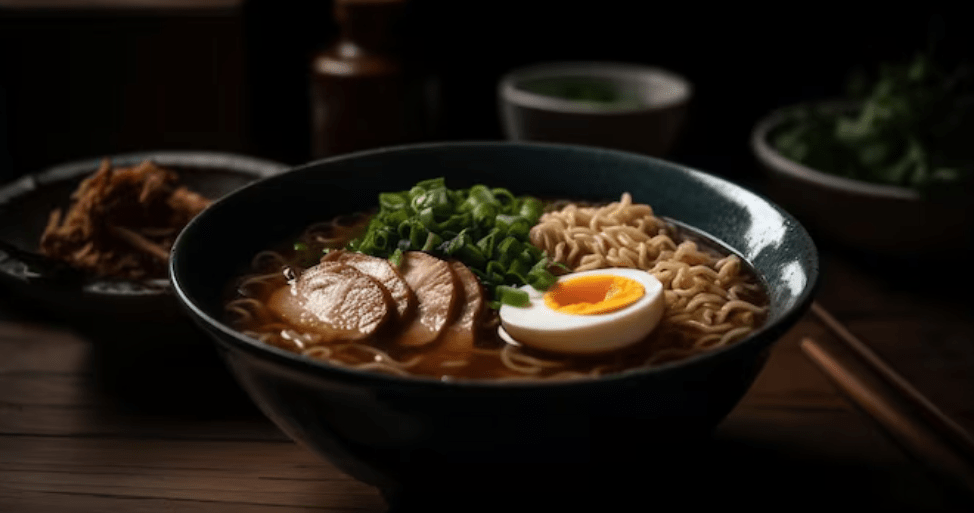
If you’ve ever looked at a ramen menu and felt a little stuck, you’re not alone. Ramen isn’t just “noodles in soup.” The heart of it is the broth. The broth is where the flavor lives, and it’s usually what separates a bowl that feels ordinary from one that feels like, wow, this is the real thing.
In this guide, we’ll break down the types of ramen broth you’ll see most often, what makes each one unique, and how toppings can completely change the experience.
First, what makes ramen “authentic”?
“Authentic” can be a loaded word, but in ramen, it usually points to a few basics:
- A broth with real depth (not just salty water with noodles)
- A seasoning base that’s intentional, not random
- Noodles that match the broth style
- Toppings that make sense with the flavor profile
Most traditional ramen bowls are built in layers. The broth is one layer. Then there’s the seasoning base (often called tare). Then the aromatic oil. Then the noodles and toppings. When those layers work together, you taste richness without it being messy.
Shoyu ramen: savory, soy-forward, and balanced
Shoyu means soy sauce. Shoyu ramen is usually clear to light brown, and it’s known for a salty, savory flavor that feels clean but complex.
- Flavor vibe: umami, roasted notes, slightly sweet-salty
- Common base: chicken, pork, or a blend
- Great for: first-time ramen eaters, people who like a classic “comfort” bowl
Shoyu is often the style people picture when they imagine ramen. If you want something that tastes traditional without being too heavy, this is a safe bet.
Shio ramen: light, clean, and underrated
Shio means salt. Shio ramen is usually the lightest of the main broth styles, and it can look almost clear.
- Flavor vibe: clean, bright, delicate, sometimes seafood-leaning
- Common base: chicken, seafood, or a mix
- Great for: people who like lighter soups, or want to actually taste the broth
Shio ramen is the kind of bowl where every ingredient matters. Because it’s not hiding behind heavy richness, you notice the aroma, the oil, and the toppings more.
Miso ramen: rich, nutty, and bold
Miso ramen is made using fermented soybean paste. It’s thicker than shoyu or shio and often has a hearty, cozy feel.
- Flavor vibe: salty, nutty, deep, slightly sweet
- Common base: pork or chicken (sometimes with a bit of spice)
- Great for: cold days, big appetites, anyone who likes bold flavor
Miso ramen tends to handle strong toppings really well. Corn, butter, and ground pork are classic add-ons in many styles because miso can stand up to them.
Tonkotsu ramen: creamy, porky, and intense
Tonkotsu is the one everyone talks about. It’s made by simmering pork bones for a long time until the broth turns milky and thick.
- Flavor vibe: creamy, rich, savory, almost buttery
- Common base: pork bones (often with garlic or smoky notes)
- Great for: people who love rich soups and “stick-to-your-ribs” meals
Tonkotsu is satisfying, but it’s also the heaviest. If you’re new to ramen and want something lighter, you might start with shoyu or shio first, then try tonkotsu when you’re ready for the full experience.
Toppings: the “personality” of the bowl
Even within the same broth style, toppings can make two bowls taste totally different. Here are some common ones and what they do:
- Chashu (braised pork): soft, savory, adds richness
- Ajitama (marinated soft-boiled egg): creamy yolk, sweet-salty bite
- Nori (seaweed): briny, aromatic, great with lighter broths
- Menma (bamboo shoots): crunchy, slightly sweet, classic texture
- Green onions: freshness and bite
- Mushrooms: earthy depth (especially good in miso)
- Garlic oil / chili oil: boosts aroma and adds heat
A quick tip: if your broth is lighter (shio, some shoyu), go easier on heavy toppings so you can still taste the broth. If your broth is bold (miso, tonkotsu), you can load it up.
So, which broth should you try?
If you want a simple cheat sheet for the main types of ramen broth:
- Shio: lightest, clean, delicate
- Shoyu: classic, balanced, soy-forward
- Miso: bold, rich, fermented depth
- Tonkotsu: creamiest, most intense, pork-bone richness
Once you know these four, ramen menus get way less confusing. And honestly, trying different broth styles is half the fun. You’ll start to notice what you crave, and what toppings make your perfect bowl.
This post was written by a professional at Fortu. Fortu stands out among the top Restaurants St Petersburg FL, offering an elevated Pan-Asian dining experience in the heart of St. Petersburg, Florida. Celebrating Asia’s vibrant and diverse culture, Fortu introduces bright and bold flavors to a bright and bold city with a menu of locally and sustainably sourced options, from small bites to hearty delicacies. Whether winding down from a beach day or celebrating a special occasion, guests can enjoy a lush, alluring atmosphere and an authentic taste of Asia’s divine cuisine at one of the finest Steakhouse St Petersburg FL.
 Plateria
Leave a comment