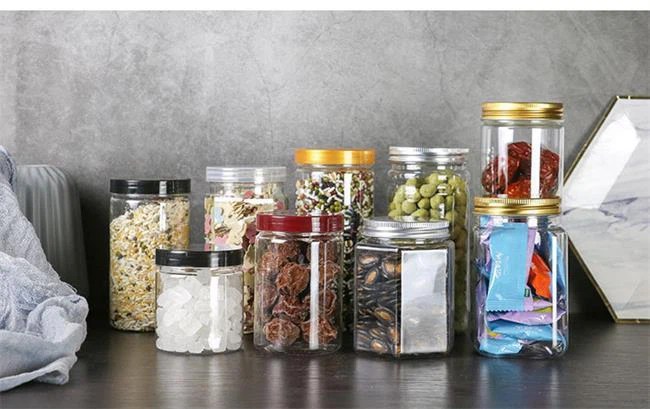
The plastic container has become as ubiquitous in our daily existence as the air we breathe, quietly serving humanity in ways both profound and mundane. Like the exoskeleton of an insect that protects and preserves the delicate organism within, these synthetic vessels safeguard our food, organise our belongings, and facilitate the complex choreography of modern commerce. Yet, as with many of humanity’s innovations, we scarcely pause to consider the remarkable journey of these utilitarian objects or their intricate relationship with our society.
The Biology of Modern Storage
In observing the evolution of human storage solutions, one cannot help but draw parallels to nature’s own packaging systems. Seeds encased in protective coats, eggs shielded by shells, and fruits wrapped in skin, all demonstrate nature’s ancient understanding of preservation. Plastic storage solutions represent humanity’s attempt to replicate and improve upon these natural designs. These synthetic vessels come in myriad forms, each adapted to specific environmental pressures and functional requirements:
- Food storage boxes that create microenvironments to extend freshness
- Industrial containers that withstand chemical exposure and temperature extremes
- Transparent cases that allow visual inspection whilst maintaining protective barriers
- Modular systems that stack and nest with the efficiency of honeycomb architecture
The Chemistry of Preservation
The composition of these vessels varies considerably, much like the biodiversity one observes in a thriving ecosystem. Polypropylene containers offer heat resistance and durability, making them suitable for microwave use and repeated washing cycles. Polyethylene variants provide flexibility and impact resistance, adapting to the stresses of transportation and daily handling. High-density options deliver superior strength-to-weight ratios, whilst food-grade materials ensure safety in direct contact with consumables.
Singapore’s National Environment Agency emphasises that “food contact materials must not transfer their constituents to food in quantities that could endanger human health or bring about an unacceptable change in the composition of the food.” This regulatory framework ensures that plastic storage containers meet stringent safety standards before reaching consumers.
The Ecology of Household Organisation
Within the domestic sphere, these containers function as organisational units within a larger system, not unlike the division of labour in a social insect colony. Kitchen cupboards transform into efficient repositories when proper storage boxes segment ingredients and tools. Refrigerators become scientifically managed preservation zones, with airtight containers slowing oxidation and microbial growth. The pantry evolves into a catalogued library of sustenance, where transparent plastic vessels allow immediate visual assessment of inventory levels.
The psychology of organisation reveals itself through these simple tools. A well-ordered kitchen using systematic storage reduces decision fatigue and food waste, demonstrating how physical organisation influences cognitive efficiency. Studies suggest that households employing proper food storage systems reduce food waste by up to 25 per cent, a statistic that carries both economic and environmental significance.
Commercial Applications and Industrial Symbiosis
Beyond the household, plastic containers form the circulatory system of global commerce. In Singapore’s bustling logistics sector, standardised container systems enable the rapid movement of goods from port to distributor to retailer. The food service industry depends upon these vessels for ingredient storage, portion control, and food safety compliance. Medical facilities utilise specialised containers for specimen transport and sterile supply storage.
Consider these commercial applications:
- Restaurant kitchens employing colour-coded containers to prevent cross-contamination
- Pharmaceutical operations using tamper-evident containers for medication safety
- Manufacturing facilities storing components in static-dissipative containers
- Agricultural sectors utilising large-capacity containers for harvest collection and transport
Environmental Considerations and Adaptation
As any naturalist understands, no species exists without consequence to its ecosystem. The proliferation of synthetic containers presents environmental challenges that demand thoughtful solutions. Singapore’s approach to plastic waste management includes comprehensive recycling programmes and public education initiatives. The nation’s “Year Towards Zero Waste” campaign encourages residents to reduce, reuse, and recycle plastic items, including storage containers.
The future points towards innovation: biodegradable plastics derived from renewable resources, container designs optimised for multiple lifecycles, and chemical recycling processes that return polymers to their constituent elements. These developments mirror nature’s own circular systems, where waste from one process becomes sustenance for another.
Selecting and Maintaining Your Containers
Wisdom in selection requires understanding function and context. Choose containers with secure, leak-proof seals for liquid storage. Select clear materials when visual monitoring proves necessary. Prioritise BPA-free options for food contact applications. Consider stackable designs that maximise vertical space, much as forest canopies optimise light capture through layered growth.
Proper maintenance extends container lifespan: thorough cleaning prevents bacterial colonisation, avoiding extreme temperatures prevents warping, and regular inspection identifies deterioration before failure occurs.
Conclusion
The humble plastic container represents more than mere convenience; it embodies humanity’s endless quest to impose order upon chaos, to preserve against entropy, and to adapt our environment to our needs. From the organised kitchen to the globalised supply chain, these synthetic vessels facilitate the complex web of modern existence. As we move forward, our challenge lies in balancing utility with sustainability, ensuring that our innovations serve both present needs and future generations. In understanding and respecting the full lifecycle of each plastic container, we participate in the broader ecology of human civilisation.
 Plateria
Leave a comment